Because: Exploring The Vanishing Church: Faith as Community Versus Commodity
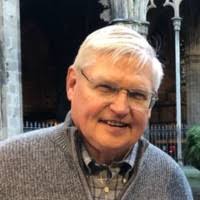
This episode of “To Be and Do,” hosted by Phillip Amerson, dives deeply into the evolving role of the church in modern society. Drawing from recent literature—including “Separation of Church and Hate” by John Fugelsang and “The Vanishing Church” by Ryan Burge—Phillip Amerson explores both the challenges and potential pathways for faith communities during a time of significant cultural change.
At the heart of this episode is a discussion around the idea of decline in mainline churches and whether this signals the end of meaningful community, or merely a transition to something new and hopeful. Phillip Amerson encourages listeners to think beyond the numbers and statistics often cited, and to focus on the deeper, more qualitative aspects of faith, community, and ministry.
Key Takeaway #1: The Church Is Not Just a Commodity to Be Measured
Phillip Amerson critiques the approach, often seen in Ryan Burge’s sociological analysis, where religion is treated as a commodity—something quantified and compared. While numbers illustrate trends, they can miss the essence of what faith communities strive for. Growth and vitality aren’t exclusively tied to attendance figures or demographic shifts. Instead, the church exists as a living, breathing community whose true value is found in relationships, service, and nurturing spiritual lives. Phillip Amerson suggests: “You can do that, or you might think of it as a community to be built.”
Key Takeaway #2: Cultural and Demographic Changes Matter, but Don’t Tell the Whole Story
A significant portion of the episode is dedicated to discussing why mainline churches expanded in the 1950s and ‘60s, largely due to post-war population booms and larger family sizes. As the average family shrank, so too did the numbers of young people attending church, resulting in many buildings and programs no longer being needed. Yet, churches face more than just demographic headwinds. The evolution of family and society is natural, but Phillip Amerson pushes listeners to see this not as a decline, but as a challenge with new opportunities for growth and adaptation.
Key Takeaway #3: Hope and Transformation Remain at the Core
Despite narratives of decline, Phillip Amerson highlights stories of hope—slow and steady growth, meaningful ministry, and congregations where faith is seen as a gift to be shared. He references congregations across the country, including the one attended by his producer, as examples where transformation and nurturing still occur. The message is that while change may be slow, it is vital and rooted in the offering of faith, love, and community. Phillip Amerson connects this to the very essence of the Gospels: “Gold and silver have I none, but such as we have we offer to you,” emphasizing the offering of faith as the greatest gift.
Final Thoughts
This episode is a gentle reminder that while the landscape of church attendance and affiliation may be shifting, the heart of ministry—community, nurturing, and transformation—remains. Numbers can tell one part of the story, but it’s the lived experience, the relationships, and the faith shared that truly define the church’s future. “To Be snd Do” encourages us not to mourn endings, but to seek and celebrate new beginnings wherever hope and faith are found.

Philip and Elaine Amerson live in Bloomington, Indiana where they enjoy work the multiple educational and cultural opportunities of the city. They each are active in several community activities from addressing issues of low-income housing, public safety, encouraging civic and faith community involvement.

Finding Joy, Gratitude, and Community in Spiritual Leadership: A Conversation with Dr. Rachel Metheny