Because: Reflection and Paradox: Meditations
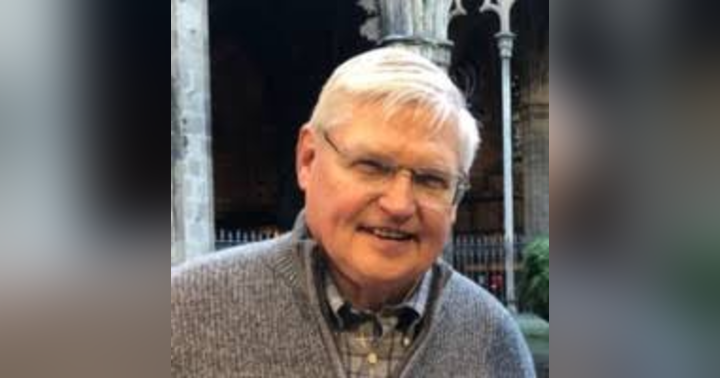
In the latest "Because" episode of To Be and Do, the podcast takes listeners on a contemplative journey through poetry, paradox, faith, and the lived realities of a fractured modern world. Host Phil Amerson gently guides the meditation, drawing on the works of poets Walter Wangren Jr. and Christian Wiman. While the tone is quiet and reflective, the episode invites essential questions: How do we inhabit the space between certainty and doubt, peace and conflict, despair and hope?
Here, we unpack three key takeaways from this poetic meditation—lessons for living as “edge walkers” in a time of deep uncertainty.
1. The Value of Poetry in Turbulent Times
Phil Amerson opens with his own memory of learning the “value of reading poetry” , setting the theme for the episode. Through the recitation of poems by Wangren and Wiman, he illustrates how poetry can penetrate beyond facts and dogma, reaching into those corners of experience untouched by conventional wisdom. Walter Wangren Jr.’s poem, "The Wanderer," evokes the image of the “world rim Walker” treading the boundaries “where night and daylight contour one another” , symbolizing a life lived on thresholds and in-between spaces.
Amid the rush and judgment of daily life—the “world rushing to its judgment day,” poetry becomes a kind of sanctuary. It offers listeners a way to pause, reflect, and make meaning amid uncertainty.
2. Living Between—Embracing Paradox
A central thread in the episode is the idea of being “edge walkers”—those who live “in between” Phil Amerson acknowledges the difficulty of inhabiting paradox: wars without purpose, desolation in places like Gaza, Lebanon, and Ukraine , and the overwhelming sense that we are living at the margins of old certainties.
Christian Wiman’s lines—“Here is a place and here is a place. But what is the space between?”—invite listeners to examine the intervals, the pauses, the tension between contrasting realities. It’s in this “space between” that life happens—messy, contradictory, and beautiful. The episode calls us to not flee from uncertainty, but to mine its depths for wisdom and meaning.
3. Integrating Belief and Action
As the reflection draws to a close, Phil Emerson offers a gentle but profound blessing: “May you be a person who does what you believe and believes what you do” . It’s a reminder that integrity—living fully into one’s values—is both a challenge and a calling, especially in times of confusion and conflict.
The closing sentiment to “be a cup of love and laughter” roots the episode’s reflective themes in an everyday ritual: sharing coffee, returning to friendship, and finding connection despite it all. The meditative tone is a subtle invitation for listeners to practice presence and kindness, no matter the outer turmoil.
Final Thoughts
This Episode is an invitation to pause, reflect, and cultivate a life lived intentionally in the liminal spaces. Through poetry and stillness, the podcast reminds us that being an “edge walker” is less about escaping uncertainty and more about meeting it with courage, openness, and love.

Philip and Elaine Amerson live in Bloomington, Indiana where they enjoy work the multiple educational and cultural opportunities of the city. They each are active in several community activities from addressing issues of low-income housing, public safety, encouraging civic and faith community involvement.

Finding Joy, Gratitude, and Community in Spiritual Leadership: A Conversation with Dr. Rachel Metheny