Diving into ICE, Immigration Law and Justice with Christie Popp

Diving Into Immigration Law and Justice – To Be and Do Podcast,
The latest episode of the “To Be and Do” podcast brings a timely and insightful conversation to the table. Hosted by Philip Amerson, with special guest Christie Popp, a founding partner at Popp and Bullman Law Offices, this episode delves deep into the intricate web of immigration law, the realities of ICE practices, and the broader justice system in the United States.
Unpacking Immigration Law with Christie Popp
Christie Popp begins by sharing her journey into law, rooted in a passion for social justice and initially, a focus on environmental law. Eventually, her skills and life experiences led her to immigration law—a field where her background in Latin American studies and fluency in Spanish became invaluable. Her transition from policy work to direct client advocacy highlights the human side of these complex issues, reminding listeners that immigration isn’t just a legal matter—it’s about real people’s lives.
Key Takeaway #1: ICE and Civil Enforcement – Not What Many Think
A significant portion of the discussion revolves around misconceptions of immigration enforcement. Christie Popp clarifies that ICE, contrary to popular belief, primarily deals with civil (not criminal) violations. Most undocumented immigrants are not criminals; they are people stuck in a bureaucratic web. Unfortunately, the language used by public figures often paints immigrants as criminals, perpetuating dangerous myths. Christie Popp points out that ICE doesn’t operate under the same judicial checks as police—agents can detain individuals on “reasonable suspicion” rather than probable cause, and often without a judge’s warrant. This broad latitude has resulted in wrongful detentions and aggressive tactics, even affecting Latino U.S. citizens and permanent residents.
Key Takeaway #2: The Power and Problem of “ICE Holds”
The episode also shines a light on the controversial practice of ICE holds—requests for local jails to detain individuals suspected of immigration violations. While proponents claim this keeps violent offenders off the streets, the reality is often very different. Christie Popp explains that most people caught by ICE holds are charged with minor or nonviolent offenses—like driving without a license, something many undocumented residents are forced into because Indiana does not allow them to obtain driver’s licenses. These holds effectively translate into unconstitutional rearrests for civil violations, as local authorities detain individuals who should have been released, all to hand them over to ICE.
Key Takeaway #3: Economic Hardships and Systemic Challenges in Detention
Beyond just immigration enforcement, the conversation addresses how those held in detention—including immigrants accused only of civil violations—are forced to navigate a punitive “pay-to-stay” system. Families struggle to afford communication with their loved ones due to exorbitant fees for phone calls and commissary access. Many detainees are required to perform labor, even though they haven’t committed any crime. “Driving while Latino” becomes a lived reality as police officers exploit systemic biases, pulling over and detaining individuals for minor infractions.
Wrapping Up
In just a few minutes, this episode offers listeners a crash course in the challenges, misconceptions, and human toll of our immigration legal system. The stories and insights provided by Christie Popp reveal the urgent need for broader knowledge and fairer practices. For anyone seeking to understand what’s really happening in immigration law (and how it intersects with civil rights and justice), this episode is a must-listen and a powerful reminder of the work that remains to be done.

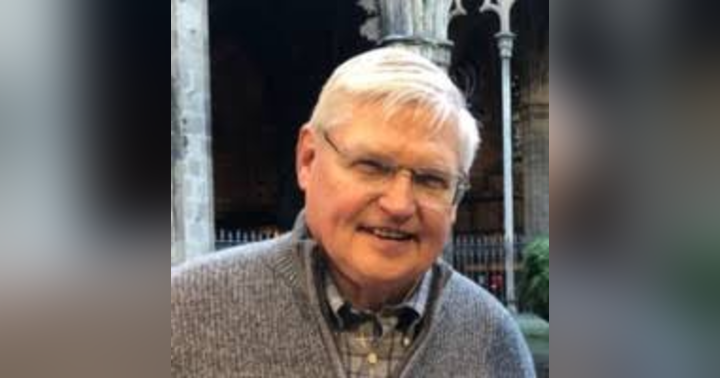
Philip and Elaine Amerson live in Bloomington, Indiana where they enjoy work the multiple educational and cultural opportunities of the city. They each are active in several community activities from addressing issues of low-income housing, public safety, encouraging civic and faith community involvement.
Because: Exploring The Vanishing Church: Faith as Community Versus Commodity