Exploring Faith, Preaching, and Presence in Challenging Times with Mark Feldmeier
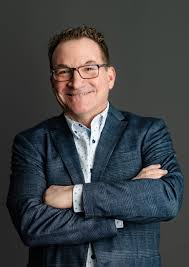
In the latest episode of the To Be and Do podcast, host Philip Amerson sits down with his friend and renowned pastor Mark Feldmeier for a deep and moving conversation. As the lead pastor at St. Andrew United Methodist Church in Highlands Ranch, Colorado, Mark Feldmeier brings decades of experience in ministry, preaching, and writing to the table. This episode delves into the evolving nature of Christian faith, the shifting landscape of preaching, and the vital role of pastoral presence during times of crisis.
Whether you’re a church leader, a person of faith wrestling with the complexities of our age, or simply curious about the impact of community and storytelling, this episode offers wisdom, vulnerability, and hope. Here are three key takeaways:
1. Faith Deconstruction Is Both Challenging and Necessary
Mark Feldmeier powerfully addresses the growing conversation around faith deconstruction—a term, as he points out, that can be loaded or even viewed with suspicion in some Christian circles. Rather than seeing deconstruction as a threat, he reframes it as an honest and crucial process. It involves examining the constructs of faith and bravely letting go of beliefs or images of God that no longer serve, especially as the assumptions inherited from classical theology often seem incompatible with the realities of the modern world.
He underscores the deep impact our images of God have on who we become and how we relate to others, referencing thinkers like Catherine of Siena and Richard Rohr. The nature of God is not static; it shapes us, and as our understandings evolve, so do the possibilities for deeper love, community, and justice.
2. Preaching Is Evolving—But the Need for Connection Endures
Is preaching becoming a thing of the past? Philip Amerson and Mark Feldmeier explore how preaching is changing in today’s fast-paced, media-saturated world. While alternative platforms and creative formats for sharing messages are emerging, Mark Feldmeier believes the core power of preaching remains in the relational, incarnational moment shared between preacher and community.
He emphasizes the sacred trust that is formed when a pastor knows and carries the real stories of people in the congregation—making the act of preaching less a solitary monologue and more a dialogue shaped by lived experience. Even as methods shift, the need for genuine presence, storytelling, and engagement persists.
3. The Church’s Most Vital Work Happens in Moments of Crisis
One of the most moving parts of this episode is Mark Feldmeier’s reflection on ministering through community tragedies, including school shootings. He shares personal stories of walking alongside survivors, supporting families, organizing vigils, and transforming the church into a center of compassion and care. The expectations are high and the tasks emotionally intense, but in these sacred moments, faith becomes action.
Mark Feldmeier describes the privilege of holding others’ pain, being present for both the hurting and the hopeful, and modeling the church as a space of healing and belonging. His approach, built on authenticity, courage, and attentive listening, highlights how true leadership extends beyond the sermon—it is seen through building networks of care and trust throughout the entire community.
Final Thoughts
This conversation with Mark Feldmeier is a timely reminder that questioning, adapting, and showing up for others are not signs of weakness, but marks of a vibrant and enduring faith. For anyone pondering the future of the church, the art of preaching, or the power of presence, this episode is not to be missed. And, as Philip Amerson gently nudges, check out Mark Feldmeier's books and sermons for deeper inspiration on the journey of to be and to do.

Philip and Elaine Amerson live in Bloomington, Indiana where they enjoy work the multiple educational and cultural opportunities of the city. They each are active in several community activities from addressing issues of low-income housing, public safety, encouraging civic and faith community involvement.
"Because" - Reflections for the New Year: Wisdom, Faith, and “Wiggling On” with Phil Amerson