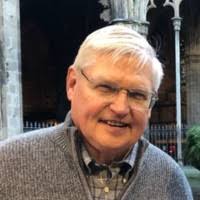
Finding Hope in Difficult Times: Reflections from Phil Amerson. [Recorded on 09/11/2026]
![Finding Hope in Difficult Times: Reflections from Phil Amerson. [Recorded on 09/11/2026]](https://media.podpage.com/showpage/uploads/images/bb75c8ad-571c-478b-afa0-825ba3656dd4.jpeg "Finding Hope in Difficult Times: Reflections from Phil Amerson. [Recorded on 09/11/2026]")
In this episode of the To Be and Do podcast, Phil Amerson offers a timely meditation on hope, especially in the context of congregational life and broader social realities. Recorded on September 11th, a date that evokes powerful memories for many, this episode invites listeners—regardless of their religious beliefs—to consider how the dynamics of hope and despair shape our communities and institutions.
Correction: The audio and the transcript refer to Thomas Merton. The actual name of the sociologist referred to is Robert Merton.
Three Key Takeaways
1. Social Habits of Despair and the Need for Hopeful Narrative
Phil Amerson begins by reflecting on the collective sense of tragedy that marked 9/11 and guides the conversation toward a broader observation: many communities, especially mainline Protestant congregations, are steeped in a narrative of decline and scarcity. He references the Thomas Theorem—"what a person perceives to be real becomes real in its consequences" 09:17—to explain how perceptions of dying churches can become self-fulfilling prophecies. When we convince ourselves that decline is inevitable, we limit our own ability to imagine or pursue new possibilities. This insight is not just for religious institutions; it has vital implications for anyone involved in a community or organization facing change.
2. The Four Pathways of Hope: Hearing, Outcomes, Parish Focus, and Ecologies
A central portion of the episode focuses on the "Pathways of Hope"—a four-part framework 12:12:
-
Hearing, not just listening: Phil Amerson distinguishes between hearing and mere listening, emphasizing the need to genuinely understand others rather than viewing them as objects to fix. He draws on lessons from community theology to suggest that leaders often fail to recognize the gifts already present in those they serve 14:06.
-
Outcomes: Congregations need to take measurable results seriously, moving beyond ineffective quick fixes to approaches that actually impact lives and communities in meaningful ways 17:02.
-
Parish Focus: Phil Amerson urges communities to shift from insular, congregation-centered approaches to outward-looking parish engagement. This means listening to and learning from the world outside the church walls 21:00.
-
Ecologies of Hope: True hope flourishes in communities where encouragement and collective resilience are valued over top-down, fear-based leadership 24:05.
3. Hope as a Practice in Community Life
Citing poets Emily Dickinson ("Hope is the thing with feathers" 02:37) and Langston Hughes ("hold fast to dreams" 25:14), Phil Amerson frames hope as a practice—something to nurture, protect, and enact. Hope is not naïve optimism; it is a deliberate choice to see possibilities even amid hardship. It's about preparing, persisting, and prevailing together in community 25:39.
Final Thoughts
This episode is a potent reminder that hope is both an individual and communal discipline. Whether you’re facing discouragement in a faith community or struggling with morale in another kind of organization, Phil Amerson's reflections offer actionable wisdom. By reshaping our perceptions, committing to authentic discernment, and fostering encouraging ecologies, we can rediscover hope as a real force for change.
Correction: The audio and the transcript refer to Thomas Merton. The actual name of the sociologist referred to is Robert Merton.
Pathways of Hope
Hearing: Listening is not the same as hearing. When local
leaders feel unheard, enduring harm is done.
Outcomes can be measured. Prayerful, shared initiatives
undertaken, evaluated and cycles of renewal continued.
Parish focus: Congregationalism leads to devaluing of
parish. In the U.K. we see value of STP (Save the Parish).
Ecologies of encouragement: When systems unintentionally
drift into fear-based ecologies, top-down approaches fail and
are counterproductive.

Philip and Elaine Amerson live in Bloomington, Indiana where they enjoy work the multiple educational and cultural opportunities of the city. They each are active in several community activities from addressing issues of low-income housing, public safety, encouraging civic and faith community involvement.

Reflecting on Goodbyes


 RSS Feed