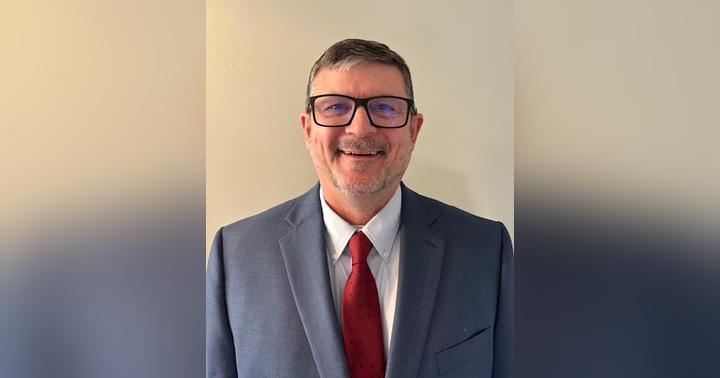

"Global Methodist Missions, Education, and the Call to Inclusion" with Philip Wingeier-Rayo
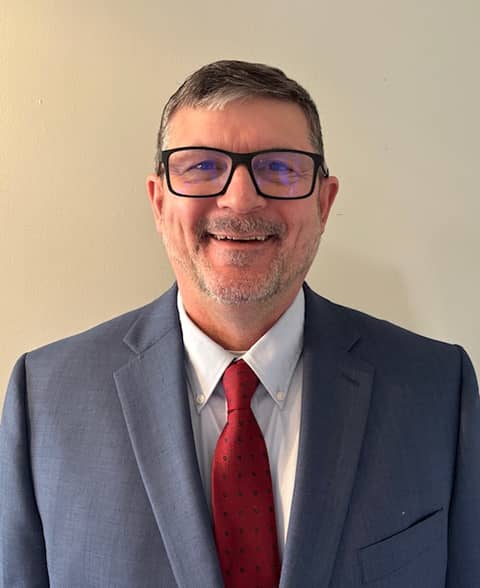
To Be and Do Podcast: Episode Recap —
In the latest episode of "To Be and Do," host Phil Amerson welcome back Philip Wingeier-Rayo , professor at Wesley Seminary and director at the General Board of Higher Education and Ministry for The United Methodist Church. Their wide-ranging conversation explores the rich legacy of Methodism across the globe, the central role of education in the church’s mission, and the urgent need to continue advocating for diversity, equity, and inclusion — especially in turbulent times.
Here are three key takeaways from this insightful discussion:
1. The Surprising Global Origins of Methodism
One of the most compelling aspects of this episode is the deep dive into the history of Methodism in the Caribbean and the Americas. Philip Wingeier-Rayo shares how Methodism actually took root in the Caribbean before it spread to what would later become the United States. The story of Nathaniel Gilbert in Antigua, who, moved by John Wesley’s teaching, began the first Methodist society outside of England, highlights Methodism’s unexpected and often-overlooked global beginnings.
Listeners learn how these early societies were remarkably diverse, including both free and enslaved persons, and grew rapidly despite significant obstacles. This narrative shatters common assumptions about the origins and spread of the Methodist movement, showcasing its early international and inclusive character.
2. Education as a Core Methodist Mission
A major focus of the episode is Methodism’s unwavering commitment to education worldwide. From the 18th century to today, education has been foundational to the church’s identity and mission. Philip Wingeier-Rayo details the immense reach of Methodist schools and universities—over 1,000 institutions globally, including notable examples like Africa University and the historically Black colleges and universities in the United States.
The conversation highlights stories like the Lydia Patterson Institute in El Paso, Texas, which serves students from both sides of the US-Mexico border, providing not just academic instruction but vital opportunities for first-generation and underserved students. The episode emphasizes how Methodist educational spaces have historically created pathways to advancement, community transformation, and leadership development for all people, regardless of background.
3. Championing Diversity, Equity, and Inclusion (DEI)
In the current political and cultural context, the conversation around Diversity, Equity, and Inclusion often becomes fraught. Yet, as Philip Wingeier-Rayo eloquently conveys, Methodism’s DNA is fundamentally inclusive — “we are all created in the likeness and image of God, we are all of sacred worth.” Even as some institutions cut DEI efforts, United Methodist schools and campus ministries are stepping up to fill the gap, providing sanctuary and support for marginalized students.
Campus ministries, in particular, are highlighted as essential safe spaces where diversity is celebrated, and students of all backgrounds are welcomed. This, the hosts agree, is the church living out its calling — not as a political slogan, but as a gospel imperative.
Final Thoughts
This episode of "To Be and Do" is both a celebration of Methodist history and a call to action. It reminds listeners that the church’s legacy is deeply rooted in the pursuit of education and justice for all. As the hosts and Philip Wingeier-Rayo discuss, there’s hope yet — young families and students are finding their place in United Methodist communities, and the global mission is alive and well.
Whether you’re a lifelong Methodist or simply passionate about faith and education, this episode offers inspiration and timely wisdom for today’s challenges. And if you’re curious to learn more, be sure to check out Philip Wingeier-Rayo ’s new book, "John Wesley and Methodist Missions," for a deeper look into these transformative global stories.
Philip Wingeier-Rayo serves as Executive Director of Education for the General Board of Higher Education & Ministry of the United Methodist Church. He is also Visiting Professor of Missiology, World Christianity, and Methodist Studies at Wesley, where he teaches courses in mission and evangelism, world Christianity, and Methodist history and doctrine. He served as Dean at Wesley from 2018-2022. Wingeier-Rayo was born in Singapore to missionary parents and grew up in Evanston, Illinois. He earned a double major in Human Relations and Spanish from Earlham College, a M.T.S. from Garrett-Evangelical Theological Seminary, and a M.Th. from Seminario Evangélico de Teología in Cuba before earning a Ph.D. in Theology, Ethics and Culture from Chicago Theological Seminary. His teaching and scholarship is informed by 15 years of missionary service where he served with the General Board of Global Ministries in Nicaragua, Cuba, Mexico and the Rio Grande Valley in south Texas. Wingeier-Rayo has published five books, including Where are the Poor? A Comparison of the Ecclesial Base Communities and Pentecostalism—A Case Study in Cuernavaca, Mexico (Pickwick Publications, 2011) and The Bible Through the Eyes of John Wesley (Upper Room/Discipleship Resources, 2019). His most recent publication is John Wesley and the Origins of Methodist Missions (Abingdon Press, 2025). Wingeier-Rayo and his wife, Diana, reside outside of Washington DC and have three adult children and one son-in-law.
Books:
John Wesley and the Origins of Methodist Missions, Nashville: Abingdon Press, 2025.
La Evangelización y la Misión de Dios: Una Teología Bíblica, Nashville, TN: Wesley’s Foundery Books.
2020.
La Biblia a través de los ojos de Juan Wesley: 52 clases de discipulado para pequeños grupos, with
foreword by Justo González, Nashville, TN: Upper Room, 2019.
Where are the Poor? A Comparison of the Ecclesial Base Communities and Pentecostalism—A Case
Study in Cuernavaca, Mexico, Eugene, OR: Pickwick Publications, 2011.
Cuban Methodism: The Untold Story of Survival and Revival, Atlanta, GA: Dolphins and Orchids,
2006.
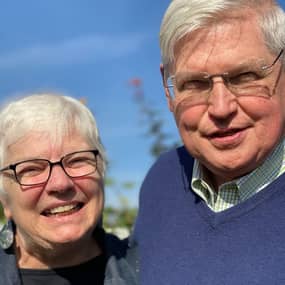
Philip and Elaine Amerson live in Bloomington, Indiana where they enjoy work the multiple educational and cultural opportunities of the city. They each are active in several community activities from addressing issues of low-income housing, public safety, encouraging civic and faith community involvement.
"BECAUSE" Standing for Faith and Justice – Reflections on ICE, Community, and the Call to Love