

The Enduring Power and Changing Landscape of Theological Education with Bob Hill from Boston University School of Theology
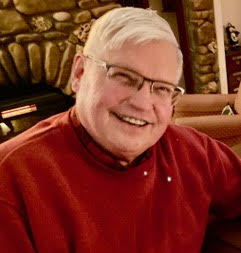
In this episode of To Be and Do, Philip Amerson sits down with Bob Hill, Dean of Marsh Chapel at Boston University and professor at the School of Theology, to explore pressing contemporary issues in theological education, ministry, and the often-overlooked romance of life in the parish. Their conversation weaves through personal anecdotes, academic insights, and a rich tapestry of memories, offering listeners both inspiration and practical wisdom.
Here are three key takeaways from this deeply thoughtful episode:
1. Theological Education Is Evolving, Yet Rooted in Tradition
Bob Hill provides an intimate look into the Boston University School of Theology, highlighting the diversity of students, the vibrancy of the young faculty, and the ongoing commitment to the study of Scripture—particularly the Gospel of John. He describes teaching his longstanding 8 AM Monday class as a joyful ritual, sharing how students continue to be captivated by the "mystery" and depth found within John’s Gospel. The faculty’s blend of experience and fresh energy (noting contributions from leaders like Soojin Park, Chris Evans, and Dana Robert) ensures that the school remains responsive to the needs and questions of today’s world, while still drawing from the deep well of Christian tradition.
2. The Romance and Privilege of Parish Ministry
A central theme is the shifting attitudes toward parish ministry. Philip Amerson and Bob Hill both lament the decline in students seeking the Master of Divinity with intentions for parish ministry, while also expressing hope for a resurgence of interest. Bob Hill eloquently describes the “privilege to be in ministry”—to enter homes during moments of celebration and grief, to address “what we don’t speak enough about in civil society,” and to be “welcomed into the lives” of parishioners. They discuss the need for clergy to cultivate supportive friendships and communities among themselves, referencing the lasting impact of ministerial mentors and colleagues.
3. The Value of Poetic Inheritance and Civic Engagement
As the episode draws to a close, Bob Hill shares that poetry has been a lifelong source of encouragement and focus in his work. Quoting Shelley, he emphasizes the connection between faith and the wider inheritance of human longing and hope. Additionally, Philip Amerson reflects on the notion of the clergy as “citizen advocates”—voices for civic life who use song, community presence, and advocacy to inspire resistance and hope. These themes highlight the enduring relevance of spiritual leaders far beyond the walls of their congregations.
In Summary
This episode is more than a discussion about theological education; it’s an invitation to rediscover the unique romance and privilege of ministerial life, the importance of scholarly tradition, and the soul-strengthening power of community—rooted in both scripture and poetry. Whether you’re a seasoned pastor, a seminary student, or someone yearning for deeper engagement in faith and civic life, Philip Amerson and Bob Hill’s reflections provide affirmation and direction for the journey ahead.

Philip and Elaine Amerson live in Bloomington, Indiana where they enjoy work the multiple educational and cultural opportunities of the city. They each are active in several community activities from addressing issues of low-income housing, public safety, encouraging civic and faith community involvement.


