

John Wesley and the Foundations of Methodist Missions: Lessons from History and Global Expansion with Philip Wingeier-Rayo


Show Notes: To Be and Do Podcast
Host: Philip Amerson
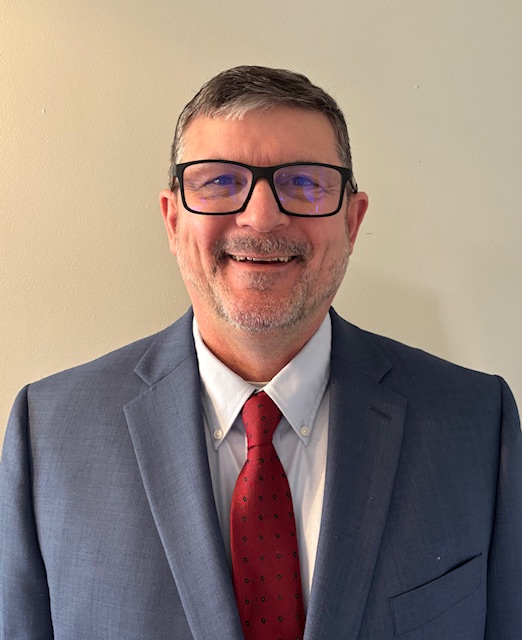
Guest: Philip Wingeier-Rayo
In this rich and insightful episode of the To Be and Do podcast, Philip Amerson sits down with noted missions scholar Philip Wingeier-Rayo , who brings his decades of experience as a professor at Wesley Seminary and work with the General Board of Higher Education and Ministry. The episode springs from Philip Wingeier-Rayo ’s new book, "John Wesley and the Origins of Methodist Missions," and takes listeners deep into the historical journey of Methodist missions—exploring how the global movement evolved from John Wesley’s origins to its worldwide presence today.
Here are three key takeaways from the conversation:
1. John Wesley’s Mission Legacy Is More Nuanced Than Many Realize
While John Wesley is credited as a founding missionary figure, Philip Wingeier-Rayo clarifies that Wesley’s role as a missionary was complex, even debated (02:52). During his time in Georgia, Wesley was technically called a missionary by others but did not accept a salary, nor did he self-identify with the title. His disappointing and challenging experience in Georgia shaped his later hesitance about engaging in missionary expansion, which influenced the ethos of early Methodism as initially more focused on renewal within the Anglican Church, rather than outward missionary zeal.
2. The Spread of Methodism Was Often Grassroots and Lay-Led
Contrary to popular belief, the explosive spread of Methodism in its early days wasn’t driven top-down by Wesley or denominational authorities. As Philip Wingeier-Rayo describes, laypeople who had caught the "fire" of Methodist faith carried it across oceans, founding societies and requesting support only after establishing local congregations (09:07). Wesley was hesitant and even declined several times to send clergy to support these fledgling communities, a testament to the organic, spirit-led nature of Methodist expansion.
3. Education and Experiential Faith Are Interwoven in the Methodist DNA
The Methodist tradition, shaped by Wesley’s experiences and Moravian influence, treasures both "knowledge and vital piety." Philip Wingeier-Rayo highlights compelling stories, such as that of Boston King—a formerly enslaved man who became a missionary in Africa due to Methodist educational efforts—to illustrate how the movement integrated heart and mind in spreading faith and social uplift (14:40). This holistic approach remains central to the Methodist ethos worldwide.
Listen in for a truly enlightening conversation about what it means to be and do as part of a global movement shaped by ordinary people, transformative faith, and education.
Philip Wingeier-Rayo serves as Executive Director of Education for the General Board of Higher Education & Ministry of the United Methodist Church. He is also Visiting Professor of Missiology, World Christianity, and Methodist Studies at Wesley, where he teaches courses in mission and evangelism, world Christianity, and Methodist history and doctrine. He served as Dean at Wesley from 2018-2022. Wingeier-Rayo was born in Singapore to missionary parents and grew up in Evanston, Illinois. He earned a double major in Human Relations and Spanish from Earlham College, a M.T.S. from Garrett-Evangelical Theological Seminary, and a M.Th. from Seminario Evangélico de Teología in Cuba before earning a Ph.D. in Theology, Ethics and Culture from Chicago Theological Seminary. His teaching and scholarship is informed by 15 years of missionary service where he served with the General Board of Global Ministries in Nicaragua, Cuba, Mexico and the Rio Grande Valley in south Texas. Wingeier-Rayo has published five books, including Where are the Poor? A Comparison of the Ecclesial Base Communities and Pentecostalism—A Case Study in Cuernavaca, Mexico (Pickwick Publications, 2011) and The Bible Through the Eyes of John Wesley (Upper Room/Discipleship Resources, 2019). His most recent publication is John Wesley and the Origins of Methodist Missions (Abingdon Press, 2025). Wingeier-Rayo and his wife, Diana, reside outside of Washington DC and have three adult children and one son-in-law.
Books:
John Wesley and the Origins of Methodist Missions, Nashville: Abingdon Press, 2025.
La Evangelización y la Misión de Dios: Una Teología Bíblica, Nashville, TN: Wesley’s Foundery Books.
2020.
La Biblia a través de los ojos de Juan Wesley: 52 clases de discipulado para pequeños grupos, with
foreword by Justo González, Nashville, TN: Upper Room, 2019.
Where are the Poor? A Comparison of the Ecclesial Base Communities and Pentecostalism—A Case
Study in Cuernavaca, Mexico, Eugene, OR: Pickwick Publications, 2011.
Cuban Methodism: The Untold Story of Survival and Revival, Atlanta, GA: Dolphins and Orchids,
2006.
Speaker:
Greetings everyone, this is Phil Amerson again with the To Be
Speaker:
and Do podcast. And today, well,
Speaker:
we have the privilege of having someone I think
Speaker:
who knows more about United
Speaker:
Methodist missions but also the global church than almost
Speaker:
anyone I know. And that's Philip
Speaker:
Wengai Ryo. Phil, you've got several
Speaker:
titles. I didn't memorize them all, but I know you
Speaker:
You teach at Wesley Seminary in Missions, Intercultural Studies,
Speaker:
and Methodist Studies. You work with the General Board of Higher
Speaker:
Education and Ministry, especially around all the educational
Speaker:
institutions. I didn't get the title of that, but wow,
Speaker:
what do you— do you have any spare time? Thank you
Speaker:
for those kind words. It's a pleasure to be on your podcast.
Speaker:
Well, it's great to have you here.
Speaker:
The first reason I wanted to speak with you is because of your
Speaker:
book that I— when
Speaker:
I went through it, I found myself thinking, oh,
Speaker:
this explains some things that I had never quite fully understood.
Speaker:
John Wesley and missions and Methodist
Speaker:
missions. Talk a little bit about this project, and the
Speaker:
book's just out, right? Yes, the book was just
Speaker:
released in the second half of 2025
Speaker:
by Abington Press, and it was
Speaker:
a big project in the doing.
Speaker:
Since you were the president at a couple of United Methodist
Speaker:
seminaries, you know the academic world, and
Speaker:
professors often go and present their research
Speaker:
at conferences., and so I did this
Speaker:
over 2 or 3 years and started to realize a
Speaker:
pattern. I would research. I wanted to find out what were the origins
Speaker:
of Methodist missions, and so I would look at John Wesley, but then I
Speaker:
would realize that he actually started on
Speaker:
the wings of other people. There were traditions before him:
Speaker:
the Church of England, the Roman Catholic Church, the Moravians,
Speaker:
and so he learned from them And then in the timeline,
Speaker:
I kind of moved forward. Well, what happened after John Wesley? And I started looking
Speaker:
at Thomas Coke. So after a few of
Speaker:
these conference papers, I thought, well, hey, there's a theme to
Speaker:
this. And so I started putting together an outline and proposed it to
Speaker:
a press, and that's how the book came
Speaker:
about. Well, that's great. And I
Speaker:
found myself thinking about Wesley himself had been a
Speaker:
missionary. But he also was hesitant about
Speaker:
missions. Talk a bit about that. Yeah, that's a
Speaker:
great story. And actually, you mentioned that John Wesley was
Speaker:
a missionary. There's a bit of a debate on
Speaker:
that. I live in Silver Spring, Maryland, just outside of
Speaker:
D.C. And as a part of my research, I went to the
Speaker:
Library of Congress. Wesley, as a member of the
Speaker:
Church of England, when he was in
Speaker:
Georgia, he related to a couple of different
Speaker:
societies. So there was the
Speaker:
Society for
Speaker:
the Promotion of Christian Knowledge that largely produced
Speaker:
literature, and there was the Society for the Propagation of
Speaker:
the Gospel in other parts of the
Speaker:
world. And I went to their journals that are held in
Speaker:
England and also at the Library of Congress in
Speaker:
Washington. And it's interesting that he is listed as a missionary
Speaker:
but with no salary. And so
Speaker:
he eventually— at first he went as a
Speaker:
volunteer. He wanted to go and evangelize the Native Americans
Speaker:
in the colony of Georgia. And he was on
Speaker:
the ship when the board
Speaker:
met and they decided to call him a
Speaker:
missionary. But he didn't accept any money for it. He was
Speaker:
a volunteer. So you could really debate whether
Speaker:
he was technically a missionary because
Speaker:
that wasn't the title that he
Speaker:
used. You know what's interesting, as I heard you talking about
Speaker:
that, The SPCN, Society for Promotion of
Speaker:
Christian Knowledge, has a long history, doesn't it, that
Speaker:
continues? Yes, it's still an active printing press today.
Speaker:
And there was a missionary in the Church of England by the
Speaker:
name of Thomas Bray who came to Maryland, and he noticed that
Speaker:
the Native American children weren't receiving any education.
Speaker:
The children for the enslaved Africans weren't receiving any
Speaker:
education. And so he was moved by that. And so he's the one
Speaker:
that founded this society to produce literature and
Speaker:
send missionaries to serve Native American and African
Speaker:
Americans. Amazing. So Wesley, when
Speaker:
did he find out he was a missionary, or did he? Well, he was
Speaker:
on the ship when the board met and called
Speaker:
him a missionary. And so in their journals, he's listed there, and there are
Speaker:
several missionaries that were sent to places like the
Speaker:
Bahamas and Barbados, and he's listed
Speaker:
there as Georgia but with no compensation. I'll be
Speaker:
darned. So how do you think his experience in
Speaker:
Georgia influenced his view of missions? Or
Speaker:
maybe to, maybe to put another hook on that
Speaker:
question, was he reluctant to compete
Speaker:
with his his denominational body, the
Speaker:
Anglican Church? That's a great question. So
Speaker:
when John Wesley was in Georgia, he was a member of the Church
Speaker:
of England. He was an ordained priest, and Methodism
Speaker:
hadn't even started yet. And so, as you and
Speaker:
your listeners know, he had a frustrating experience in Georgia. You
Speaker:
know that he had the romantic entanglement with Sophie
Speaker:
Hopkey, and he was brought up on charges. For not serving
Speaker:
communion to Sophie Hopke. And so
Speaker:
he absconded. Instead of facing the charges,
Speaker:
he left and went back to England. And he doesn't use this term,
Speaker:
but I think today we would say he was depressed when he got back to
Speaker:
England and not really knowing what his purpose or his
Speaker:
calling was. And he befriended a
Speaker:
Moravian who kind of
Speaker:
encouraged him and gave him a sense of hope. And that's the point where he
Speaker:
had his heartwarming experience in 1738
Speaker:
at Aldersgate Street. So I think
Speaker:
that he— this negative experience in Georgia really
Speaker:
tarnished his view of missions. He wasn't able
Speaker:
to evangelize the Native Americans like he had hoped. He had gone there
Speaker:
with great illusions. Perhaps
Speaker:
romantic ideas about mission work, and in the end that
Speaker:
all came crashing down. And so as an
Speaker:
Anglican, he didn't really see the need to start a Methodist mission
Speaker:
society because he thought we were part of the Church of England. He wasn't trying
Speaker:
to start a new denomination. So I think that's part of the reason
Speaker:
why he was not gung-ho about
Speaker:
missions. He just wanted to return the
Speaker:
church to the beginning, to what it was like to be the primitive
Speaker:
church, and to seek holiness. He was very
Speaker:
much into mysticism and the primitive church. And so I
Speaker:
think he was just trying to renew the Church of England and not thinking, I'm
Speaker:
going to start a denomination. Yeah, so the primitive
Speaker:
church— let's put a flag in that and come back to it. But first, I
Speaker:
want to ask Am I not right that
Speaker:
he was reluctant to support Coke
Speaker:
and Asbury in their
Speaker:
adventures in the Americas? No, you're absolutely
Speaker:
correct. As a matter of fact, the way that missions
Speaker:
eventually spread is by ordinary
Speaker:
everyday laypeople who got on a ship and
Speaker:
they had become Methodist in
Speaker:
England or Ireland or Scotland, and they went
Speaker:
to another part of the world and there was no Methodist society.
Speaker:
And so they decided to start their own. And so it was really kind of
Speaker:
spirit-led. And eventually these societies would form and they would write
Speaker:
Wesley a letter and they would say, you know, we're not
Speaker:
ordained, we're not equipped to do this work, but we're here. Can you send
Speaker:
us somebody? To support us. We, you know, we can't baptize, we
Speaker:
can't perform Holy Communion. And Wesley at first
Speaker:
was very reluctant. He said no. He said, I can't send you
Speaker:
missionaries. I don't have enough pastors here in England to meet
Speaker:
the demand. So yes,
Speaker:
he declined several invitations to send
Speaker:
missionaries. So let's look at that notion
Speaker:
of primitive Christianity and experiential
Speaker:
faith. How much of that do you think was what
Speaker:
motivated or was behind the rapid spread
Speaker:
of Methodism in those early years?
Speaker:
Well, Phil, that's what I mean at the beginning when I said I
Speaker:
started with John Wesley and then worked back. So one of
Speaker:
the main influences on John Wesley was the Moravians.
Speaker:
He befriended the Moravians on the ship on his way to
Speaker:
Georgia, and he sojourned with them for about 3
Speaker:
years. And he was very, very close friends with many
Speaker:
Moravians. And at one point, he thought he would even join the Moravians and
Speaker:
leave the Church of England. So one of the streaks
Speaker:
within Moravianism is Pietism. And
Speaker:
so there was a Pietist revival going on in
Speaker:
Europe. And so that, I think, influenced Wesley to have
Speaker:
this heartwarming experience, kind of a religion of
Speaker:
the heart instead of more of an
Speaker:
intellectual belief system. And I think that was at the heart
Speaker:
of— especially these lay people who traveled around the world, they had caught this
Speaker:
fire and they wanted to go and spread it wherever they
Speaker:
went. Yeah, we've In more recent
Speaker:
years, I know you know this in your work
Speaker:
in theological education, which has been deep and
Speaker:
broad, we talk about Methodism as focusing
Speaker:
on knowledge and vital piety, the two hand
Speaker:
in hand. And it seems to me that while
Speaker:
Wesley was moved toward and influenced by and had
Speaker:
his own altar's gate experience, He also never
Speaker:
quite gave up on the importance of knowledge and
Speaker:
education. Absolutely, and that's something that he learned from
Speaker:
the Moravians as well because they had
Speaker:
schools and universities where they trained people to
Speaker:
be missionaries. And so he took
Speaker:
that curriculum, and when he started the Kingswood
Speaker:
School, which is Bath, England today, he used much
Speaker:
of that same curriculum that he learned from the Moravians. I think you're absolutely right.
Speaker:
He had that balance between heart and mind,
Speaker:
and that's been an ingredient, part of our DNA that has
Speaker:
gone all around the world. So one of the stories that
Speaker:
I tell in the book, talking about education, is the
Speaker:
story of a man by the name of Boston
Speaker:
King. He was born near Charleston, South
Speaker:
Carolina, into slavery. And he was
Speaker:
illiterate. Eventually, when the American Revolutionary War
Speaker:
started, the English made an offer to all the
Speaker:
enslaved Africans and said, if you will come and fight on our side, we
Speaker:
will guarantee your freedom. So Austin King, he went out on
Speaker:
a horse from one of his master,
Speaker:
and he eventually crossed over the enemy's line. And he said, well, there's
Speaker:
no turning back. 'If I go back, I'm going to get whipped.' So
Speaker:
he kept going and he decided to join the British forces.
Speaker:
He didn't see combat. He was more of a spy and
Speaker:
a messenger. And so he was with the
Speaker:
British. And then when the British lost the war, he and
Speaker:
many other enslaved Africans who had accepted this offer
Speaker:
were worried that they were going to get re-enslaved. And in fact,
Speaker:
there was signposts, you know, with
Speaker:
the physical traits of the Africans who had left
Speaker:
their masters, and they were bounty hunters who were trying to get
Speaker:
them back. So a Boston king realized that he had
Speaker:
to go north, and so he found his way to New York
Speaker:
City, and there the British negotiated the
Speaker:
ceasefire with George Washington, and the British agreed to
Speaker:
honor their promise. And so there were about
Speaker:
3,000 formerly enslaved Africans who were in this book. It
Speaker:
was called the Book of Negroes, and it had their approximate
Speaker:
age, their name, their physical traits. And so the
Speaker:
British found safe passage for these 3,000
Speaker:
formerly enslaved Africans to go to Nova Scotia,
Speaker:
England, and Boston King was one of them along with his
Speaker:
wife Violet King. They found their way to Nova
Speaker:
Scotia, and there was a Methodist missionary who was from Maryland
Speaker:
by the name of Freeborn
Speaker:
Garrettson. Thomas Coke from the conference in Baltimore named him
Speaker:
a missionary to Canada, or what we call Canada
Speaker:
today. Freeborn Garrettson met Boston King
Speaker:
and his wife Violet. Violet, she converted
Speaker:
to Methodism under the ministry of Freeborn
Speaker:
Garrettson. And they— uh, Freeborn Gerritson gave Boston King a
Speaker:
church to serve, a church in Nova Scotia. So
Speaker:
by this time, the, uh, the English were
Speaker:
very concerned with the well-being of these
Speaker:
formerly enslaved Africans, and they were called Black
Speaker:
Loyalists because they were loyal to the British crown, right? And so
Speaker:
coming back to the story of Kingswood School,
Speaker:
uh, Boston King was illiterate. And so he started to
Speaker:
teach. And so Thomas Coke said, well, if you're going to teach, you
Speaker:
need a formal education. And so at
Speaker:
this time, Thomas Coke was trying to start a
Speaker:
colony in Sierra Leone and send missionaries to Sierra
Speaker:
Leone. So this was the first Methodist work on the continent of
Speaker:
Africa, and there were several ships that went from Nova
Speaker:
Scotia to start the city of
Speaker:
Freetown. Freetown because it was a utopian colony
Speaker:
where Blacks and whites would be free. They would all get a plot of land.
Speaker:
They would all have the right to vote and participate in government.
Speaker:
So Boston King and his wife Violet were a part of those
Speaker:
first settlers where Blacks and whites went to start the colony
Speaker:
of Sierra Leone. Thomas Coke invited
Speaker:
Boston King to come to Kingswood School in Bath and
Speaker:
get a formal education. He went there for 2 years,
Speaker:
studied, and so Boston King, Black
Speaker:
Methodist preacher, was the first Methodist to preach and teach in
Speaker:
the continent of Africa, and it was due to this
Speaker:
worldwide connection of Methodist
Speaker:
education. Wow, what a story, wonderful story,
Speaker:
and it causes me to leap in a direction
Speaker:
that you might understand better than most of our listeners, even
Speaker:
if they're United Methodists, and that is
Speaker:
the place and role of the Evangelical United
Speaker:
Brethren Church. Because I know
Speaker:
in places like India and in West
Speaker:
Africa, they had a remarkable kind of mission.
Speaker:
I found myself often wishing that many of our church
Speaker:
structures we had borrowed more from the EUB than the old Methodists.
Speaker:
But can you tell some of that story as well?
Speaker:
Yes. As a matter of fact, when I launched my book,
Speaker:
I live about 45 minutes from Otterbein
Speaker:
United Methodist Church in Baltimore, which is
Speaker:
the oldest continually in use
Speaker:
church in the city of Baltimore, which is saying
Speaker:
something. Philip William Otterbein, the founder of
Speaker:
the EUB denomination,
Speaker:
was mainly working with the German-speaking population in the
Speaker:
American colonies, and he befriended Francis
Speaker:
Asbury and was present at the Christmas Conference in
Speaker:
Baltimore in 1784 when the Methodist Episcopal Church was
Speaker:
founded. And so Methodism and the Evangelical
Speaker:
United Brethren tradition They worked together
Speaker:
parallel, although they had slightly different structures and
Speaker:
theologies. But when language was no longer a
Speaker:
factor, eventually they were merged together, as you know, at
Speaker:
the uniting conference in Dallas
Speaker:
in 1968. So at that time,
Speaker:
Methodist missions had to figure out what to do because there are all these EUB
Speaker:
missions around the world. And so the Board of Global
Speaker:
Ministries became the General Board of Global Ministries, and they work
Speaker:
with all these mission churches around the world. But I
Speaker:
agree with your statement because the EUB
Speaker:
were ahead of the Methodists in allowing these churches to
Speaker:
become autonomous. Yes. And so around the
Speaker:
world, we don't have— they don't have these kind of
Speaker:
these old holdovers of this colonial
Speaker:
structure. Methodists were a little slow in granting these
Speaker:
churches autonomous, where the EUB was ahead of the
Speaker:
game. So in Puerto Rico, for example, you have an
Speaker:
EUB church and you have a Methodist church because they were
Speaker:
fully independent at the time in 1968
Speaker:
of the uniting conference.
Speaker:
Wow, so rich. Phil, hold up your book again so we can see the
Speaker:
COVID 'John Wesley and the Origins of
Speaker:
Methodist Missions.' This is
Speaker:
our opportunity to hear from Philip Wengai
Speaker:
Ryo. Phil, thank you for being with us. We're going to talk with you
Speaker:
again, and maybe we'll explore a little bit of what's going on
Speaker:
in the world today. That sounds like a great idea. I look forward
Speaker:
to that next conversation. Great. Thank you, Phil. And this
Speaker:
is Phil Amerson, another Phil, signing off for the To
Speaker:
Be and Do podcast. God bless.


