

Because: Reflection on Family, Faith, and Inclusion: Insights from Phil Amerson
This "Because" episode invites listeners into a moment of deep reflection on the meaning of family—from both a personal and spiritual perspective. The episode begins with commentary on Indiana’s political leaders urging citizens to focus on the “biblical mandate” for the nuclear family throughout June. This pronouncement is met with skepticism and thoughtful critique, exposing how such narrowly defined notions of family can overlook or exclude many individuals who fall outside the “one man, one woman” paradigm, including orphans and widows 00:11.
A key theme that emerged was the contrast between traditional interpretations of biblical family structures and the diverse realities present both in scripture and in contemporary communities. The discussion explored several examples, citing figures from the Bible whose experiences did not fit the mold of the “nuclear family”—such as Abraham, Sarah, Hagar, David, Moses, and even Jesus 01:01. This raises questions about the validity and inclusiveness of modern claims to a singular “biblical” family ideal.
Key Takeaway Points
1. Rethinking “Biblical Family” Models
One concept discussed was the misconception that the so-called “biblical family” is always a nuclear family of one man, one woman, and their biological children. Scriptural history includes a tapestry of family forms: extended families, polygamous marriages, single individuals, and those raising children outside of conventional structures 01:02. The conversation illuminated how cherry-picking biblical texts to promote a narrow family ideal not only misrepresents the complexity of the original sources but also marginalizes those who do not fit this ideal.
2. Learning from Culturally Diverse Family Structures
The episode recounted a powerful story from the 1950s or 60s, in which a professor traveled to a Native American reservation to teach about strengthening families—only to realize that the western nuclear family model did not match the lived reality of those he met 02:21. Instead of insisting on his predetermined framework, he chose to listen and learn about extended kinship systems, discovering the strengths and interconnectedness they offered. A key theme that emerged here was humility: the willingness to recognize the limits of one’s own knowledge and to see learning as a two-way exchange 02:35.
3. Challenging Exclusion and Welcoming All
The discussion challenged religious communities to move beyond platitudes about being a “family church”—and to actively include those who are often left on the margins: single mothers, orphans, widows, and others whose lives do not meet narrow expectations 03:31. Several points were raised, including the need to see all people as part of God’s family, and to strengthen bonds of kinship that transcend traditional categories 03:41.
Conclusion
The conversation focused on breaking open static definitions of family and acknowledging the diversity, complexity, and profound value inherent in all forms of kinship. The call to action was clear: genuine reflection, compassion, and openness are needed—both in faith communities and society at large—to ensure that everyone is welcomed and valued in the larger family of humanity 03:54.

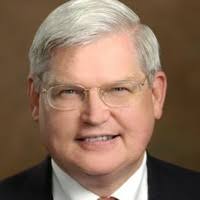
Philip and Elaine Amerson live in Bloomington, Indiana where they enjoy work the multiple educational and cultural opportunities of the city. They each are active in several community activities from addressing issues of low-income housing, public safety, encouraging civic and faith community involvement.
![image for Finding Hope in Difficult Times: Reflections from Phil Amerson. [Recorded on 09/11/2026]](https://metaimg.podpage.com/Keif5Yfvkf7IB68a16nybRhujPMcw6Nw2xF-ZPeOaQ0/eyJoIjozNzgsIm0iOiJibHVyIiwidSI6Imh0dHBzOi8vbWVkaWEucG9kcGFnZS5jb20vc2hvd3BhZ2UvdXBsb2Fkcy9pbWFnZXMvYmI3NWM4YWQtNTcxYy00NzhiLWFmYTAtODI1YmEzNjU2ZGQ0LmpwZWciLCJ1MiI6Imh0dHBzOi8vYXJ0d29yay5jYXB0aXZhdGUuZm0vYjMzM2NmZTUtOTdiYS00NDdhLWE5NjItNjdjMDNiNzMxZGVkL3d2RGFCd3lrN1J6WTc3NmN3YkRBZGd6Ri5wbmciLCJ3Ijo3MjB9.webp)
Finding Hope in Difficult Times: Reflections from Phil Amerson. [Recorded on 09/11/2026]


 RSS Feed