

Connectorship and Community with Tyler Brinks
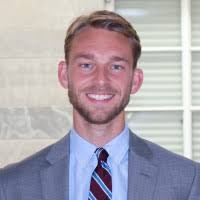
To Be and Do Podcast: Embracing Connectorship and Community with Tyler Brinks
In this latest episode of the "To Be and Do" podcast, Phil Amerson welcomes Tyler Brinks for an inspiring and reflective conversation focused on the intersection of being and doing within ministry, community development, and personal growth. The conversation weaves through themes of Asset Based Community Development (ABCD), the power of connectorship, and the lessons learned from meaningful encounters and mentors. Here are three key takeaways from this thoughtful episode:
1. The Value of Asset Based Community Development: Seeing Strengths Amidst Challenges
A central focus of the episode is the philosophy of Asset Based Community Development (ABCD), popularized by John McKnight and Jody Kretzmann. Instead of seeing communities strictly through the lens of their deficiencies or problems, ABCD urges us to focus on their talents, resources, and gifts. Speaker A shares, “ABCD is looking to see the assets that are all around in the community, in a neighborhood, but in individuals that are often overlooked” 09:14. This shift in perspective is not just optimistic but empowering—it honors people's lived experiences and enables genuine transformation.
Brinks own journey into ministry was shaped by encounters with leaders influenced by ABCD, such as Rev. Fernando Rodriguez and Mike Mather. These experiences underscored the importance of honoring and recognizing the unique strengths within each individual and organization. Rather than being paralyzed by problems, they encourage asking, “What gifts are present here?” This approach not only builds stronger communities but also deeper, more meaningful relationships.
2. The Importance of Connectorship over Traditional Leadership
Throughout the conversation, the concept of "connectorship" continually emerges. Amerson recounts a powerful moment with John McKnight, who challenged an overemphasis on traditional leadership development in favor of nurturing "connectors" within communities 10:09. Connectorship, as described in this episode, is about bringing people together, fostering relationships, and enabling collaboration.
Brinks reflects on his natural inclination towards connecting with others, attributing it to family encouragement and the wisdom gained from recognizing his own need to learn from others 11:35. Whether through intentional introductions or spontaneous conversations, these acts of connectorship build the web of community that sustains both individuals and organizations. As Amerson emphasizes, “The real role of a leader is to convene, is to help convening happen” 11:08.
3. Growth Emerges from Life’s Fires: The Wisdom of Howard Thurman
In the closing moments, Brinks shares a meditation by Howard Thurman, drawing on the metaphor of the jack pine tree, whose seeds only release after the intense heat of a fire 13:21. This poetic reflection captures a universal truth: just as some trees require adversity to grow, so too do human beings often find their deepest gifts and resilience revealed in times of challenge and upheaval.
Thurman’s words, “The experience releases something that has been locked up within all through the years. If it be something that calls to the deepest things in life, we may, like the jack pine, grow tall and straight against the sky” 16:11, serve as both encouragement and a reminder of hope, especially relevant for communal leaders and individuals navigating difficult seasons.
This episode reminds us that being and doing are not opposing forces. Instead, when centered in the gifts of individuals, embraced through connection, and energized by even the hard seasons of life, they offer a powerful foundation for authentic community and personal transformation.

Philip and Elaine Amerson live in Bloomington, Indiana where they enjoy work the multiple educational and cultural opportunities of the city. They each are active in several community activities from addressing issues of low-income housing, public safety, encouraging civic and faith community involvement.
![image for Finding Hope in Difficult Times: Reflections from Phil Amerson. [Recorded on 09/11/2026]](https://metaimg.podpage.com/Keif5Yfvkf7IB68a16nybRhujPMcw6Nw2xF-ZPeOaQ0/eyJoIjozNzgsIm0iOiJibHVyIiwidSI6Imh0dHBzOi8vbWVkaWEucG9kcGFnZS5jb20vc2hvd3BhZ2UvdXBsb2Fkcy9pbWFnZXMvYmI3NWM4YWQtNTcxYy00NzhiLWFmYTAtODI1YmEzNjU2ZGQ0LmpwZWciLCJ1MiI6Imh0dHBzOi8vYXJ0d29yay5jYXB0aXZhdGUuZm0vYjMzM2NmZTUtOTdiYS00NDdhLWE5NjItNjdjMDNiNzMxZGVkL3d2RGFCd3lrN1J6WTc3NmN3YkRBZGd6Ri5wbmciLCJ3Ijo3MjB9.webp)
Finding Hope in Difficult Times: Reflections from Phil Amerson. [Recorded on 09/11/2026]


 RSS Feed