

Reflections from Retreat: Beyond Playing the Instrument
Reflections from Retreat: Beyond Playing the Instrument
In episode this "Because" epiosode of To Be and Do, Philip Amerson takes listeners inside a recent retreat for pastors, sharing both the intention behind the gathering and a powerful story that illuminates the heart of church community. With an eye toward the shifting demands and challenges facing church leaders today, Philip Amerson invites us to rethink what it means to serve, to gather, and ultimately, to live out faith.
Rethinking the Purpose of Church Gatherings
Philip Amerson opens with candid insight: the retreat wasn’t built around a new program or prescribed solutions but was instead a call to deep reflection about the future of the church. Pastors were encouraged to unplug from screens and phones as much as possible, making space to listen, share, and dream together about what the next chapter of church might look like in a rapidly changing world (00:23).
Key Takeaway 1: The Instrument Is Not the Music
Drawing from the documentary "From Mao to Mozart," featuring violinist Isaac Stern, Philip Amerson highlights a profound lesson. Stern reminds his Chinese music students, “You don’t use the music to play the violin. You use the violin to play the music.” (01:14) For Philip Emerson, this analogy strikes at the heart of ministry and community life: the congregation or institution is merely the instrument. The music—the true expression of faith, compassion, and connection—is what’s meant to flow through it.
Many leaders and communities fall into the trap of “running a church” as if playing an instrument by rote, rather than letting divine music—love, service, grace—lead the way. This memorable distinction challenges churches to refocus on their deeper calling and purpose.
Key Takeaway 2: Meeting People Where They Are
A moving story anchors this episode: a young pastor, tasked with leading Holy Communion early one Sunday, shows up late, much to Philip Amerson’s initial frustration. The reason for the delay becomes clear when the pastor arrives, not alone, but accompanied by a dozen neighbors. He’d paused to offer communion to people on porches, near the store, or waiting for the bus, inviting them to join the gathered congregation (02:08).
This act—extending the sacred beyond the sanctuary walls—reframes what community looks like and who it’s meant for. The lesson is unmistakable: spiritual life isn’t confined to a set time or place but is alive wherever compassion and invitation are extended.
Key Takeaway 3: Faith Moves from Institution to Inspiration
In closing, Philip Amerson reflects on how this experience reawakened him to the power of a communion table that “comes from the outside in” (02:58). The challenge for listeners: consider how faith might move beyond institutional trappings and become the music that animates and inspires. Instead of forcing faith through rigid structures, can we create spaces where the institution exists to serve the deeper, living melody of God’s work among people?
Final Thoughts
This episode is a gentle, profound reminder to pastors and all spiritual seekers: don’t just play the instrument for its own sake. Instead, ask—what is the music we are called to play? Where is faith needed most urgently? And how can we be bold enough to bring the sacred into every nook and cranny of our communities?
As Philip Amerson concludes, these reflections are only the beginning; the real journey unfolds as we let the music play on.

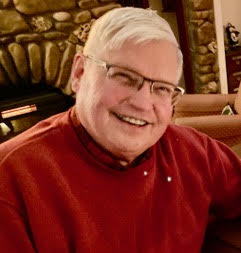
Philip and Elaine Amerson live in Bloomington, Indiana where they enjoy work the multiple educational and cultural opportunities of the city. They each are active in several community activities from addressing issues of low-income housing, public safety, encouraging civic and faith community involvement.
![image for Finding Hope in Difficult Times: Reflections from Phil Amerson. [Recorded on 09/11/2026]](https://metaimg.podpage.com/Keif5Yfvkf7IB68a16nybRhujPMcw6Nw2xF-ZPeOaQ0/eyJoIjozNzgsIm0iOiJibHVyIiwidSI6Imh0dHBzOi8vbWVkaWEucG9kcGFnZS5jb20vc2hvd3BhZ2UvdXBsb2Fkcy9pbWFnZXMvYmI3NWM4YWQtNTcxYy00NzhiLWFmYTAtODI1YmEzNjU2ZGQ0LmpwZWciLCJ1MiI6Imh0dHBzOi8vYXJ0d29yay5jYXB0aXZhdGUuZm0vYjMzM2NmZTUtOTdiYS00NDdhLWE5NjItNjdjMDNiNzMxZGVkL3d2RGFCd3lrN1J6WTc3NmN3YkRBZGd6Ri5wbmciLCJ3Ijo3MjB9.webp)
Finding Hope in Difficult Times: Reflections from Phil Amerson. [Recorded on 09/11/2026]


 RSS Feed