Because: Embracing the Boundless Parish
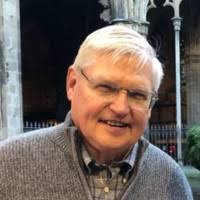
In this reflective Because episode of To Be and Do, Phil Amerson — invites listeners to reconsider traditional concepts of parish life, faith, and community. Through historical anecdotes, present-day examples, and heartfelt encouragement, Amerson explores how faith communities can transcend geographic and institutional boundaries to foster deeper, more resilient connections.
Below, we delve into three key takeaways from the episode and explore how they relate to faith, community, and the power of shared witness.
1. Parish Boundaries Are No Longer Just Geographic
At the episode’s outset, Amerson paints a vivid picture of how parishes were once defined: priests and civic leaders walking the edges of a town, marking boundaries with a physical declaration and symbolic gesture 00:21. But, as Phil notes, “that doesn't work so much any longer” 00:37. Today, parishes exist beyond these old demarcations; spiritual communities form regardless of proximity, crossing both time and space 00:40. Small groups founded decades ago still meet—sometimes in person, sometimes online—proving that the heart of the parish beats wherever people gather to support and nurture one another in faith 00:42.
Takeaway: Community is less about where you are and more about who you’re with, and how you practice faith together.
2. Faith as Music: Beyond the Instrument
One of the episode’s most powerful metaphors compares faith to music. Amerson reminds us: “knowing the music is not the same as the instrument,” and that “the church [is] just an instrument to capture the music of faith” 01:08. This distinction is crucial. Just as music can resonate beyond the four walls of a concert hall, so can faith echo beyond the formalities and structures of a particular institution. The true “music of faith” surfaces when communities respond creatively and courageously to real-world challenges, carrying their songs and witness into the streets and the world beyond the sanctuary.
Takeaway: Our religious institutions serve a purpose, but it is the living, breathing faith of the community — the song — that carries meaning and message.
3. Witnessing Through Crisis: Singing Amid Tragedy
Perhaps the most poignant segment is Amerson's description of Minneapolis in the winter of 2026 01:19. In the wake of great tragedy — the deaths and violence that rocked the community — people from various congregations, as well as those with no religious affiliation, gathered, sang, danced, and bore witness together 01:42. Even amid fear and the threat of violence, their united faith could not be silenced 02:04. New songs were born from grief and hope alike, providing solace, resistance, and shared testimony.
Takeaway: True faith doesn’t withdraw behind walls in the face of hardship but emerges in solidarity, creativity, and public witness.
Conclusion: Let Faith Flow “From the Outside In”
Amerson closes by challenging us to ask how the music of faith might break free from our familiar, comfortable settings and enrich the broader world 02:32. Instead of keeping faith tucked within institutional confines, we are invited to let it flow from outside in, transforming both individuals and institutions.
In today’s world, where lines between communities are ever more fluid, this episode is a reminder: The parish is wherever we choose to care, sing, act, and belong.
Listen to the full episode for further insight and inspiration, and reflect on how your own community might “sing the faith” without limits.

Philip and Elaine Amerson live in Bloomington, Indiana where they enjoy work the multiple educational and cultural opportunities of the city. They each are active in several community activities from addressing issues of low-income housing, public safety, encouraging civic and faith community involvement.
![image for Finding Hope in Difficult Times: Reflections from Phil Amerson. [Recorded on 09/11/2026]](https://metaimg.podpage.com/Keif5Yfvkf7IB68a16nybRhujPMcw6Nw2xF-ZPeOaQ0/eyJoIjozNzgsIm0iOiJibHVyIiwidSI6Imh0dHBzOi8vbWVkaWEucG9kcGFnZS5jb20vc2hvd3BhZ2UvdXBsb2Fkcy9pbWFnZXMvYmI3NWM4YWQtNTcxYy00NzhiLWFmYTAtODI1YmEzNjU2ZGQ0LmpwZWciLCJ1MiI6Imh0dHBzOi8vYXJ0d29yay5jYXB0aXZhdGUuZm0vYjMzM2NmZTUtOTdiYS00NDdhLWE5NjItNjdjMDNiNzMxZGVkL3d2RGFCd3lrN1J6WTc3NmN3YkRBZGd6Ri5wbmciLCJ3Ijo3MjB9.webp)
Finding Hope in Difficult Times: Reflections from Phil Amerson. [Recorded on 09/11/2026]


 RSS Feed